NEURODRAFT
Dual-Layer Integrated DNPComprehensive Reporting
Name / ID
Age
Sex
Profile Type
MoCA
MMSE
GDS
Available in Optimum / Premium
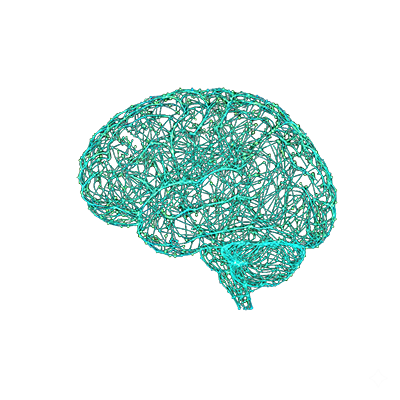
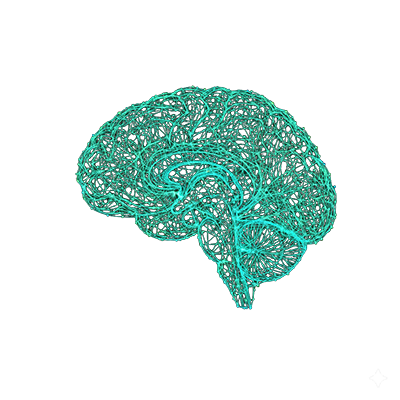
Network Patterns
Vascular Cognitive Impairment
Cognitive decline driven by small vessel disease and subcortical white matter pathology.
Multiple System Atrophy
Neurodegenerative syndrome involving pyramidal, extrapyramidal, and autonomic networks.
Cerebellar Affective Syndrome
Executive, visuospatial, and linguistic deficits secondary to cerebellar network disruption.
Thalamic Syndrome
Disruption of gating networks, causing attentional instability and mnestic deficits.
Reticular Formation Dysfunction
Luria's Unit I deficit: prominent neurodynamic exhaustion and fluctuant arousal states.
Striatal Subcortical Pattern
Bradyphrenia, motor slowing, and impaired initiation secondary to basal ganglia dysfunction.
Interhemispheric Disconnection
Impairment of transcallosal transfer, left-hand apraxia, and dichotic extinction.
Executive & Dynamics
Right Executive Deficit
Impulsivity, anosognosia, and visuospatial executive disorganization.
Left Executive Deficit
Loss of verbal regulation, cognitive rigidity, and motor perseverations.
Frontal Pseudo-Agnosia
Secondary impairment of visual gnosis driven by fragmented scanning paths, impulsive guessing of contours, and loss of cognitive control.
Apathetic-Abulic Syndrome
Profound loss of mental initiation, abulia, and severe reduction in spontaneous output.
Dynamic Aphasia
Dissolution of inner speech programming, leading to adynamia of verbal output.
Neurodynamic Insufficiency
Cognitive fatigability, psychomotor slowing, and micro-fluctuations in attention.
Instrumental Register
Efferent Motor Broca Aphasia
Impairment of switching between speech elements, resulting in a breakdown of the kinetic speech scheme (speech emboli, telegraphic style).
Sensory Wernicke Aphasia
Loss of phonemic hearing, causing severe deficits in auditory language comprehension.
Afferent Motor Aphasia
Disorganization of articulatory postures, leading to phonemic substitutions based on kinesthetic proximity.
Amnestic Aphasia
Impairment of auditory-verbal retention, resulting in word-finding and naming failures.
Semantic Aphasia
Impairment in comprehending complex logico-grammatical, relational, and spatial syntax.
Subcortical Speech Deficit
Dynamic and temporal speech fluctuations, articulatory fatigue, and naming hesitations with intact cortical zones.
Occipital Visual Alexia
Graphemic substitutions based on structural-visual proximity and visual-spatial disintegration.
Verbal Alexia
Literal reading due to a restricted visual span of graphemic synthesis and cognitive load.
Literal Alexia
Inability to recognize individual letters, while automated word-form recognition may endure.
Spatial Alexia
Line tracking failure during reading alongside left-hemispatial visual neglect frameworks.
Kinesthetic Agraphia
Literal paragraphias and letter contour disintegration due to kinesthetic feedback loss.
Kinetic Dynamic Agraphia
Graphic perseverations of letters or strokes due to failure in motor program kinetic shifting.
Spatial Agraphia
Disorganization of spatial metrics in writing, line tilting, and left-sided hemineglect.
Visual Object Agnosia
Impairment in recognizing fragmented, overlapped, or stylized visual representations.
Hemispatial Visual Neglect
Failure to attend or respond to stimuli in the left visual hemifield due to right parietal damage.
Kinesthetic Apraxia
Impairment of afferent motor feedback, presenting as finger posturing search and tactile loss.
Dynamic Apraxia
Loss of kinetic motor programming, switching difficulties, and motor perseverations.
Constructional Apraxia
Inability to construct or copy geometric objects due to spatial synthesis breakdown.
Affective Spectrum
Cognitive Depression
Beck's cognitive triad: pervasive negative thinking patterns involving distorted perceptions of oneself, the world, and the future.
Grief and Bereavement
Acute or prolonged distress reaction driven by profound emotional trauma or loss.
Somatized Depression
Masked depressive state presenting primarily through vegetative and somatic complaints.
Anxious Depression
Co-occurring baseline depression alongside generalized vital anxiety and rumination loops.
Adjustment Disorder
Difficulty accepting a physical defect, adjusting to severe invalidating diseases (dialysis, amputation), and adapting to a chronic patient role.
Premium / B2B Only
Neurocognitive Domains
Sort:
Scale:
1. Complex Attention & Processing Speed
0
2. Visual Object Perception
0
3. Visuospatial Processing & Orientation
0
4. Praxis & Motor Sequencing
0
5. Kinesthetic & Somatosensory Praxis
0
6. Visuoconstructive Functions
0
7. Numerical Processing & Calculation
0
8. Language / Speech
0
9. Learning and Memory
0
10. Executive Functioning & Conceptual Reasoning
0
Bars NEUROPSYCHOLOGICAL PROFILE
Units:
UNIT I
UNIT II
UNIT III
Networks Dist.:
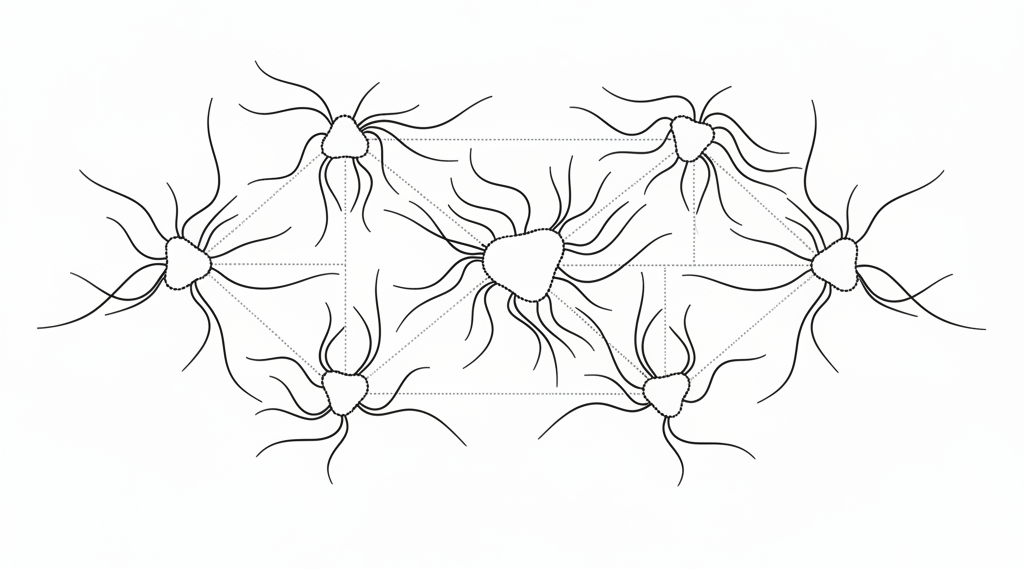



Rehab Targets:
Normal